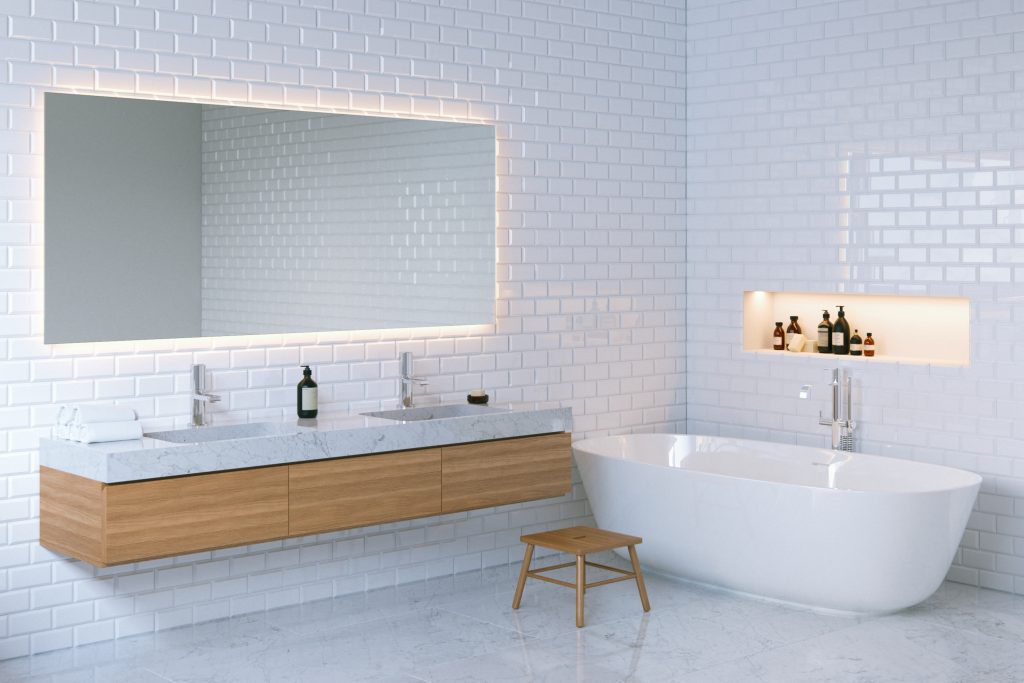
Have you ever walked through your home and wondered, “why did my stuff look cuter online/in-store?” If you have, there’s a decent chance the problem is your home lighting. Product images and store displays always have excellent lighting, showing you the best possible version of their decor, paint samples, art, and furniture.
But if you buy that gorgeous piece or perfect paint color and put it under poor lighting, you’re bound to feel like you got duped.
Luckily, the rules to great lighting aren’t very complicated! You can start updating your home lighting for relatively low cost, low skill, and low tools.
Consider this post a free course on home lighting essentials, including practical interior design tips from lighting experts. Answer quiz questions along the way to see if you’ve got it, then apply what you learn to make your interior design shine!
The Basics
Let’s start with a few basic terms and ideas– including five layers of great lighting and why the bulbs you use significantly impact how your home reads.

Layers of Light
You can break up your home lighting into five different categories. Once you understand how the categories work, you can mix and match them to fit your needs. Here are the five layers you should consider in each of your rooms:
- General/Ambient: the primary light source for the entire room.
- Task: more focused light over a workspace, like a kitchen island or desk.
- Accent: think mood lighting; creates an atmosphere rather than light up the whole room.
- Decorative: it’s more about what the fixture adds to the overall design than the light it gives.
- Natural: working with windows (and firelight) to maximize color and space.
We’ll break down tips for working with each of these layers later on. For now, keep in mind that a well-lit room typically has five to seven light sources spread across these categories.
Question 1: Which type of lighting is most responsible for setting the mood in your space?
Warmth of Bulbs
There is so much information available on bulb temperature. The truth is you can get started with just a few pieces of information. First, bulb temperature refers to the color and brightness of the light. So let’s break it down.

Cool light will wake you up, help you focus, and is best for showing the true colors of paint, makeup, and clothing. These are the bulbs in the bottom row of the image above. Cool bulbs are great for offices, kitchens, and vanities.
Warm light has the opposite effect– it relaxes and casts a yellow or orange glow on your walls and furniture. Warm light is perfect for bedrooms, living rooms, and dining areas.
Both ends of the spectrum are important for different areas. And sometimes you might need to combine them in the same room so you can control the activity you’re doing.
Now, let’s get into some specifics about how to work with each of our five light categories.
Question 2: Which light temperature is best for relaxing, cool or warm?
General or Ambient Light

As stated earlier, general or ambient lighting is your primary source of light for your space. It’s often centered in the ceiling so it can cast a bright, even light across the room. Your light fixture will greatly impact how the light casts. For example, flush mount domes offer little resistance to light, while metal shades will concentrate light downwards.
Since general lighting gives the most light, it will set the tone for your space. Here are a few top tips for nailing the general lighting in your home:
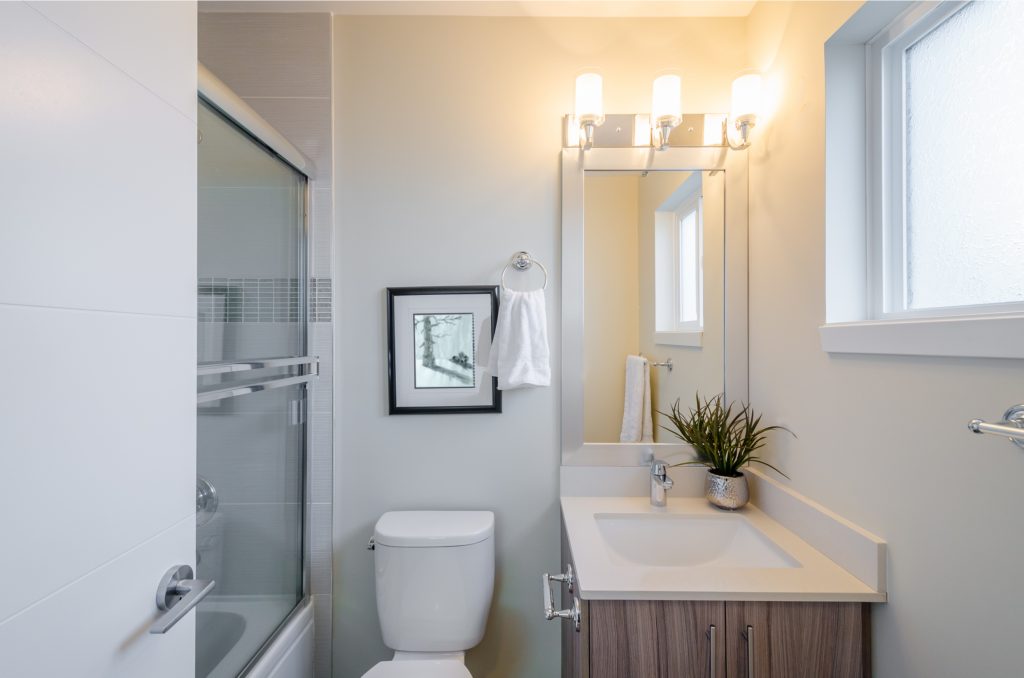
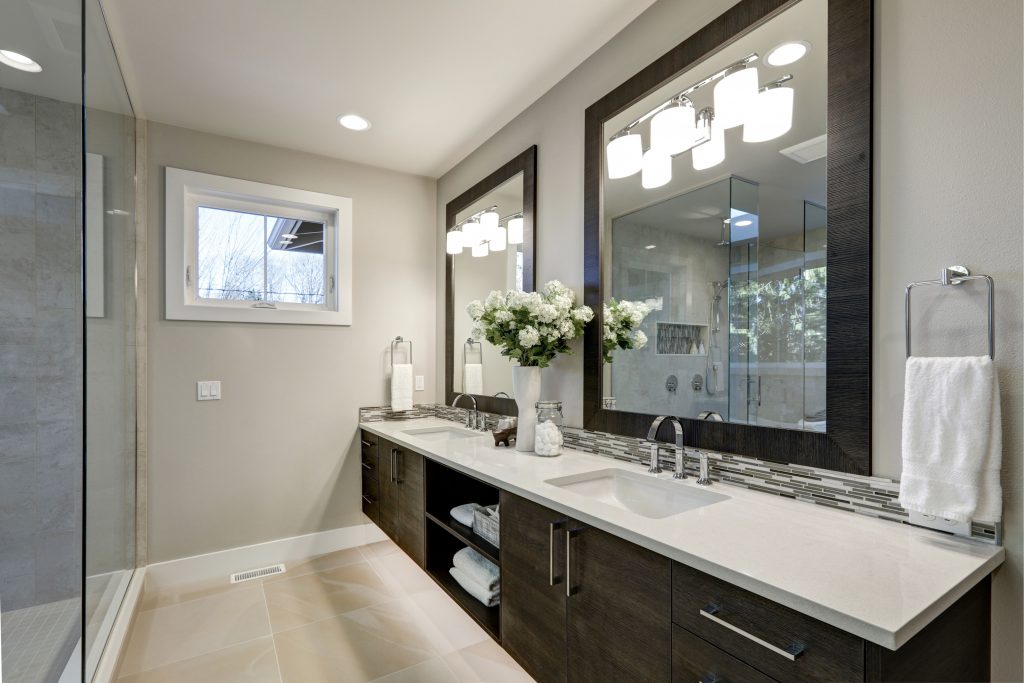
- Use cool ambient lighting for kitchens, offices, and bathrooms.
- Use warm light for living rooms, dining, and bedrooms.
- Swap out your builder-grade flush mount for an immediate (not to mention cheap and easy) upgrade.
Question 3: Where should you position your general light source?
Task Lighting

Task lighting concentrates light (and your focus) on important tasks, like homework, dicing up vegetables, and filling out expense reports. They are also more obvious choices in your design since they often hang down or sit close to the action.
Top tips:
- Hanging pendants often look best in odd numbers, so stick to one, three, or five pendants where possible.
- Strip lights or spotlights tap into task lighting fixtures to highlight art or displays to create design focus.
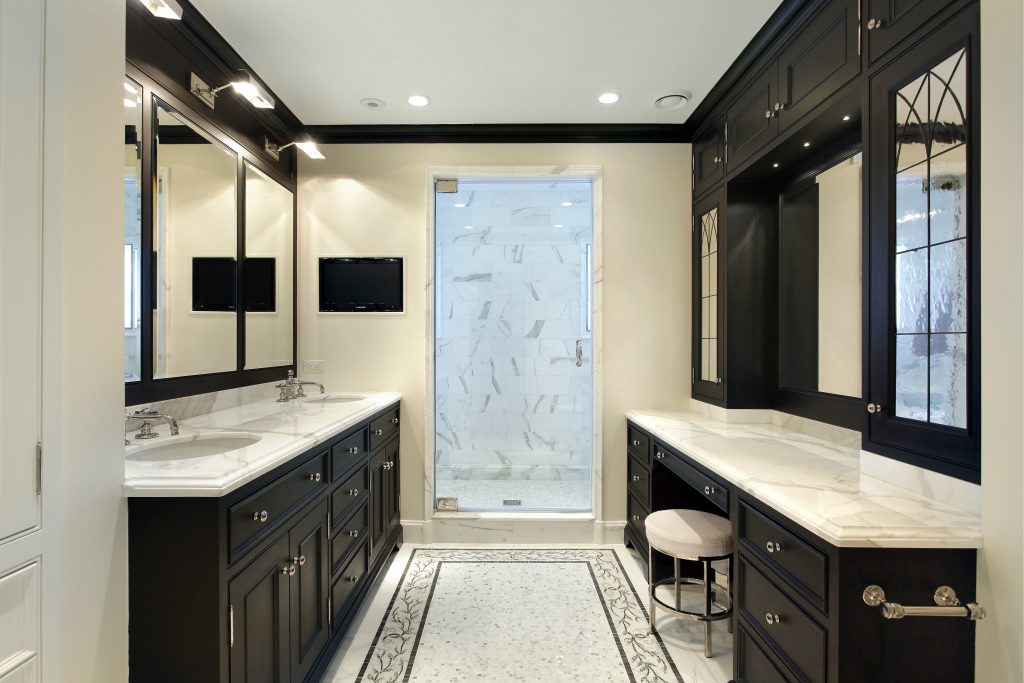
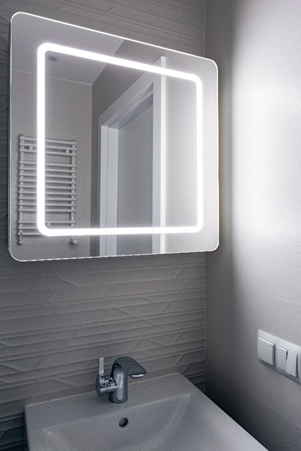
- Don’t forget LED strips as a versatile option! Place them around mirrors and under cabinets for steady, bright light.
Question 4: How do you know what areas need task lighting?
Accent Lighting

Accent lighting covers mood lighting and rounds out the lightscape. From reading lamps to LED strips behind TVs, they land closer to decorative lighting than really focusing on function.
But don’t underestimate what they deliver! Accent lighting easily becomes general lighting during movies, date nights, and intimate gatherings with friends and family.
Top tips:
- Warm light is usually best for accent lighting. Scatter a few accent light sources around gathering places to have enough light to fill the room without the general light source.
- Sconces are a great way to switch up typical lamps. And some come with plug-in cords– no hard wiring needed!
- Color-changing bulbs and LEDs are a great option for accent lights. Then they are versatile for task lighting or mood lighting as the situation requires!
Question 5: True or false? If I want to add accent lights to my home, I have to hire an electrician.
Decorative Lighting

The final category is sometimes lumped in with accent lighting since they both have more to do with aesthetics than functionality. But we pulled this out to give special attention.
Decorative lighting is about adding a super cool fixture, with the provided light taking a backseat. For example, using a chandelier for general lighting offers general light for the room, but its top priority is providing a visual “wow.”
- Try mixing up the expected, like using pendants or sconces where you’d normally use a lamp.
- Get creative and turn a statue or other thrift finds into a one-of-a-kind light source.
- Work with a local light showroom for designer-level pieces for a fraction of the price– plus top tips on installation and more!
Question 6: What is the purpose of decorative lighting?
Natural Light

Natural light is the final component of your lightscape. While manipulating natural light isn’t as easy as shopping for a great light fixture, it’s still critical to the overall feel of your home.
For example, when shopping for paint, check the swatches day and night to see if there’s a dramatic change in appearance. This will also inform your decision on what kind of bulbs you use. And if your room’s color changes a lot from day to night, you can use cooler “daylight bulbs” to keep your color from changing as much.
Top tips:
- To get an airy feeling, use light curtains and hang them as close to the ceiling as you can, regardless of where your window stops.
- Which way do your windows face? You’ll get very different glows north versus south, as north-facing windows tend to get cooler light, with south-facing windows giving warmer light. Work with the natural light temperature when picking paint colors and decor!
- Remember, dark colors absorb light, and lighter colors reflect it. So if you want a dark, moody space, dark paint will help to suck in extra light while still getting to keep the windows open.
Question 7: True or false? Paint colors always look the same, no matter the time or the way windows face.
Summary
With a basic understanding of these simple lighting and interior design principles, you’re ready to convert your home from predictable and dull to vibrant and glowing! Remember:
- You need all five layers of light to pull off a great room design.
- General: main light source.
- Task: focused light on important activities.
- Accent: set the mood.
- Decorative: dress it up, make it unexpected.
- Natural: work the windows.
- Bulb temperature affects concentration and color interpretation.
- Cool light for true colors and enhanced focus.
- Warm light for cozy relaxation and a golden touch to color.
- Updating your lighting doesn’t have to be complicated. Work with local professionals to get a leg up with great selections, expert advice, and affordable prices.
Need Help?
Proper lighting is essential to a fully functioning home– but it can be challenging to nail balanced brightness, great fixtures, and a budget! Contact the experts at Pine Grove Lighting for advice on your project!
—
Quiz Answers:
Question 1: Which type of lighting is most responsible for setting the mood in your space?
General (ambient) lighting is a room’s main light source, so it’s the primary contributor to the mood.
Question 2: Which light temperature is best for relaxing, cool or warm?
Warm light naturally relaxes your brain and helps you to fall asleep. Cool light wakes up your brain for detailed work.
Question 3: Where should you position your general light source?
General lighting should come from as high and centered as possible for even light distribution.
Question 4: How do you know what areas need task lighting?
If you have an area where you perform detailed work, you should check to see if you need task lighting! Ambient lighting can provide enough light, but focused work often requires focused lighting.
Question 5: True or false? If I want to add accent lights to my home, I have to hire an electrician.
False! There are many options for battery-operated and plug-in accent lighting.
Question 6: What is the purpose of decorative lighting?
Decorative lighting works with your decor as art, giving a unique lift to your design. It’s one more detail that helps you show off your style!
Question 7: True or false? Changing your lighting will change your paint colors.
True! All colors change with the quality of the light shining on them. Window position, time of day, and bulb temperature will all change how your paint reads.